
What is khinkali? The Georgian dumpling with broth inside
What Georgian khinkali are, how their fillings vary and how to enjoy the broth inside. A practical comparison with pelmeni.
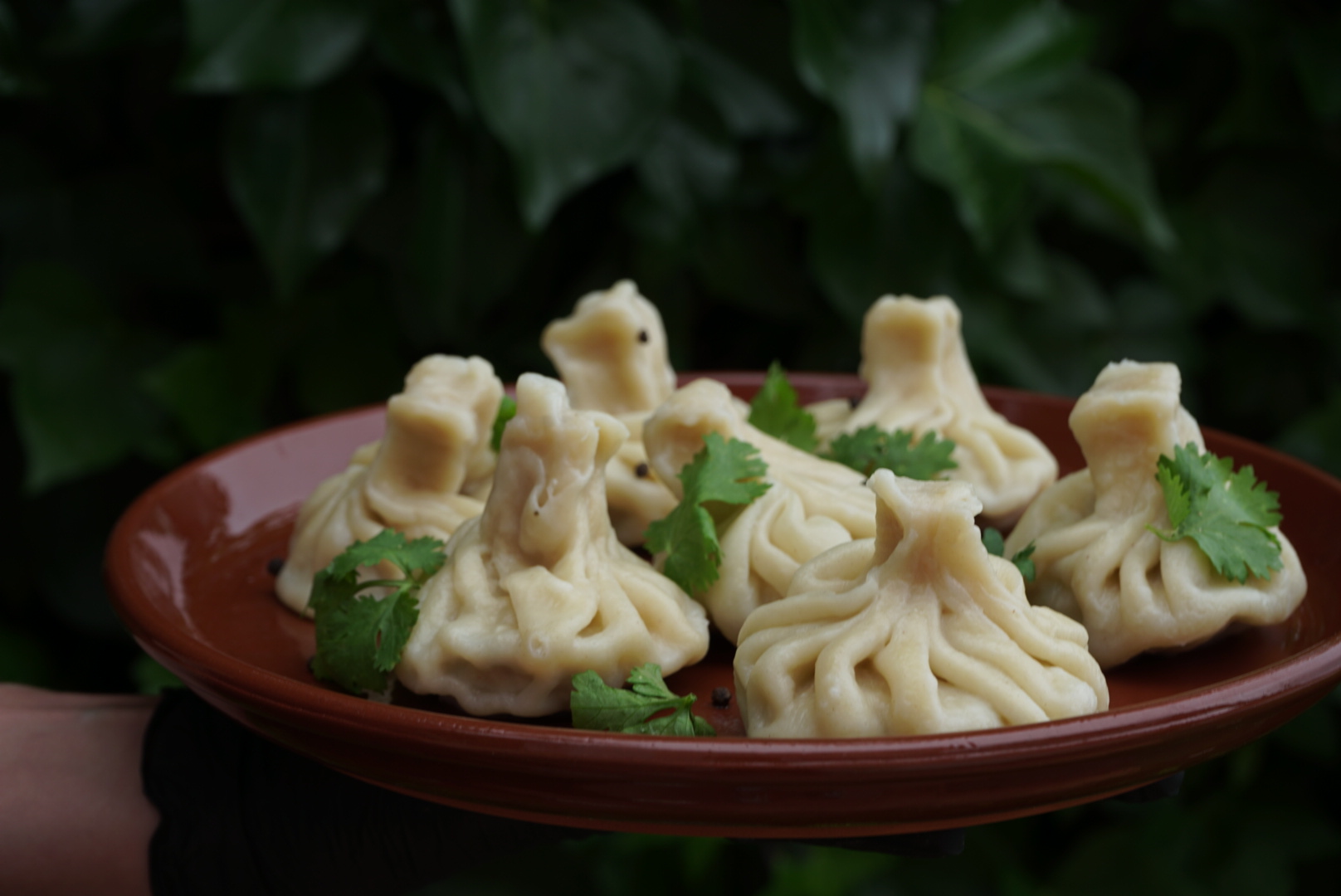
Khinkali are a Georgian speciality: dough pouches with pleats gathered into a top knot. Meat versions hold broth inside after cooking. Size, filling and the number of pleats vary with the recipe; there is no single weight or fold count that defines every khinkali.
What is inside?
Traditional fillings include beef, pork and beef mixtures, or lamb, with onion and different seasonings. Herbs and spices vary by region and cook. Cheese, potato and mushroom versions also exist, so the dish name alone does not identify its ingredients.
How do you eat khinkali?
- They are traditionally eaten by hand to avoid piercing the pouch and losing the broth.
- Hold the top knot, which is usually left on the plate.
- Let it cool a little, then take a small bite at the side and carefully sip the broth.
- Then eat the dough and filling.
Khinkali and pelmeni: the difference
Khinkali are usually larger than pelmeni and are recognisable by their pleats, knot and enclosed broth. Pelmeni are usually bite-sized, with a rounded closure; they can be served drained with butter or sour cream, or in broth. These are different styles of filled dough, not fixed sizes.
The El Lavash wholesale selection includes pork and beef khinkali and beef khinkali. Explore khinkali for your business and ask for the specification and current availability of your chosen variety.
Lavash, khinkali and pelmeni for professionals: lavash · khinkali · pelmeni · Catalogue and supply enquiry