
Pelmeni vs khinkali: the real differences
Size, dough, filling, broth and how you eat them: the five differences between the Russian and the Georgian dumpling.
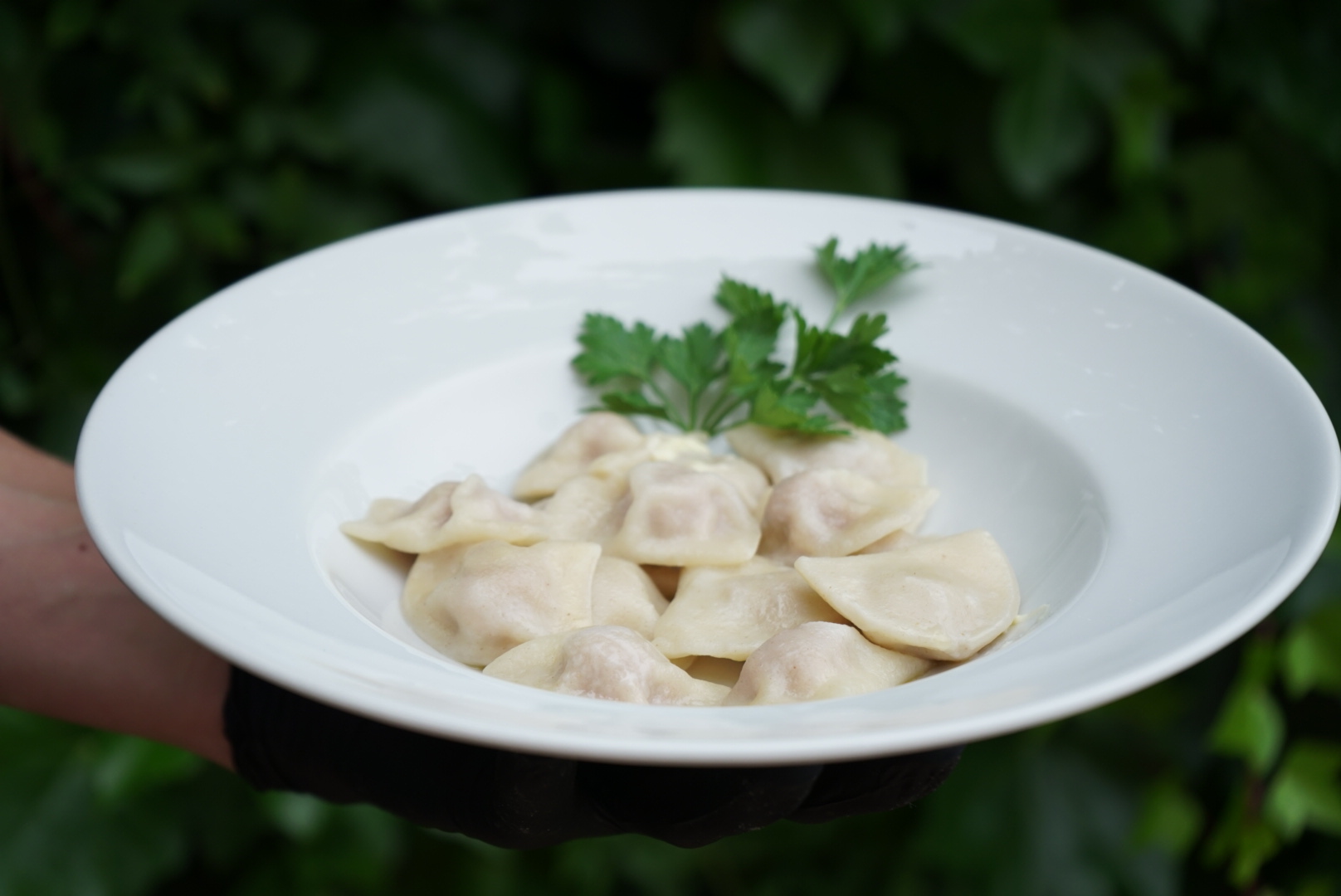
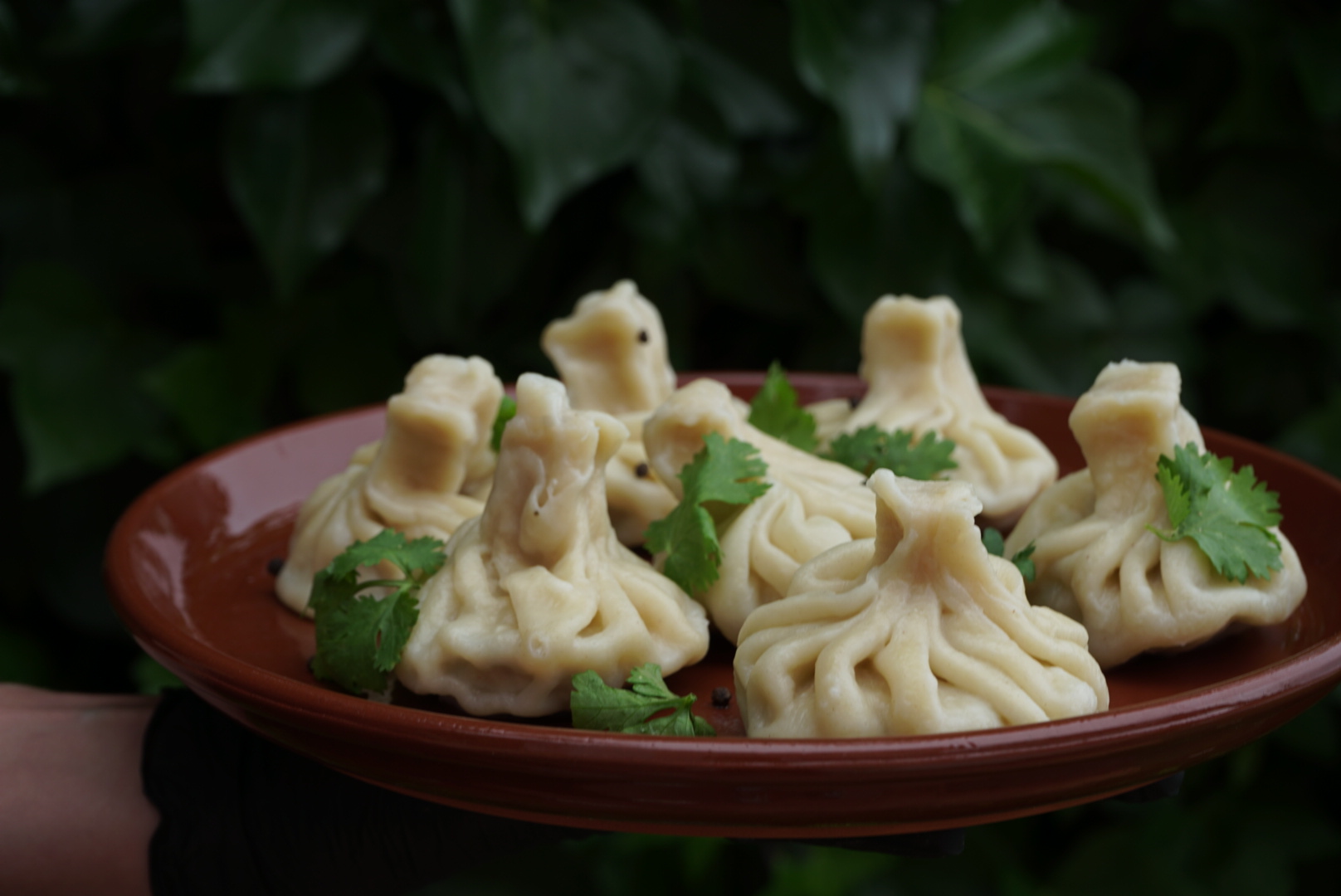
Pelmeni and khinkali are both filled dumplings, but belong to different food traditions. Pelmeni are well known in Russian cooking and khinkali in Georgian cooking. These five typical differences help tell them apart, although recipes vary.
- Size: pelmeni are usually bite-sized; khinkali are generally larger and take several bites.
- Broth: meat khinkali retain broth inside their pouch. Pelmeni have a juicy filling and may also be served in broth.
- Dough: khinkali are recognised by their pleats and top knot; pelmeni usually have a rounded closure. Thickness varies with the recipe.
- Filling: both can contain different meats and seasonings. Herbs such as coriander appear in some khinkali recipes, while onion is common in pelmeni; neither description defines every variety.
- How to eat: khinkali are traditionally held by the knot and the broth is sipped carefully first; pelmeni are usually eaten with cutlery.
Which one suits your menu?
Pelmeni lend themselves to portioned dishes with sauce or broth. Khinkali offer a different presentation, centred on the pouch and its broth. For a restaurant menu or shop range, compare the exact varieties, their preparation instructions and the portions you plan to serve.
Lavash, khinkali and pelmeni for professionals: lavash · khinkali · pelmeni · Catalogue and supply enquiry