
Artisan frozen food vs supermarket: what actually changes
How to compare artisan and supermarket frozen foods: filling, dough, product information and cost per portion.
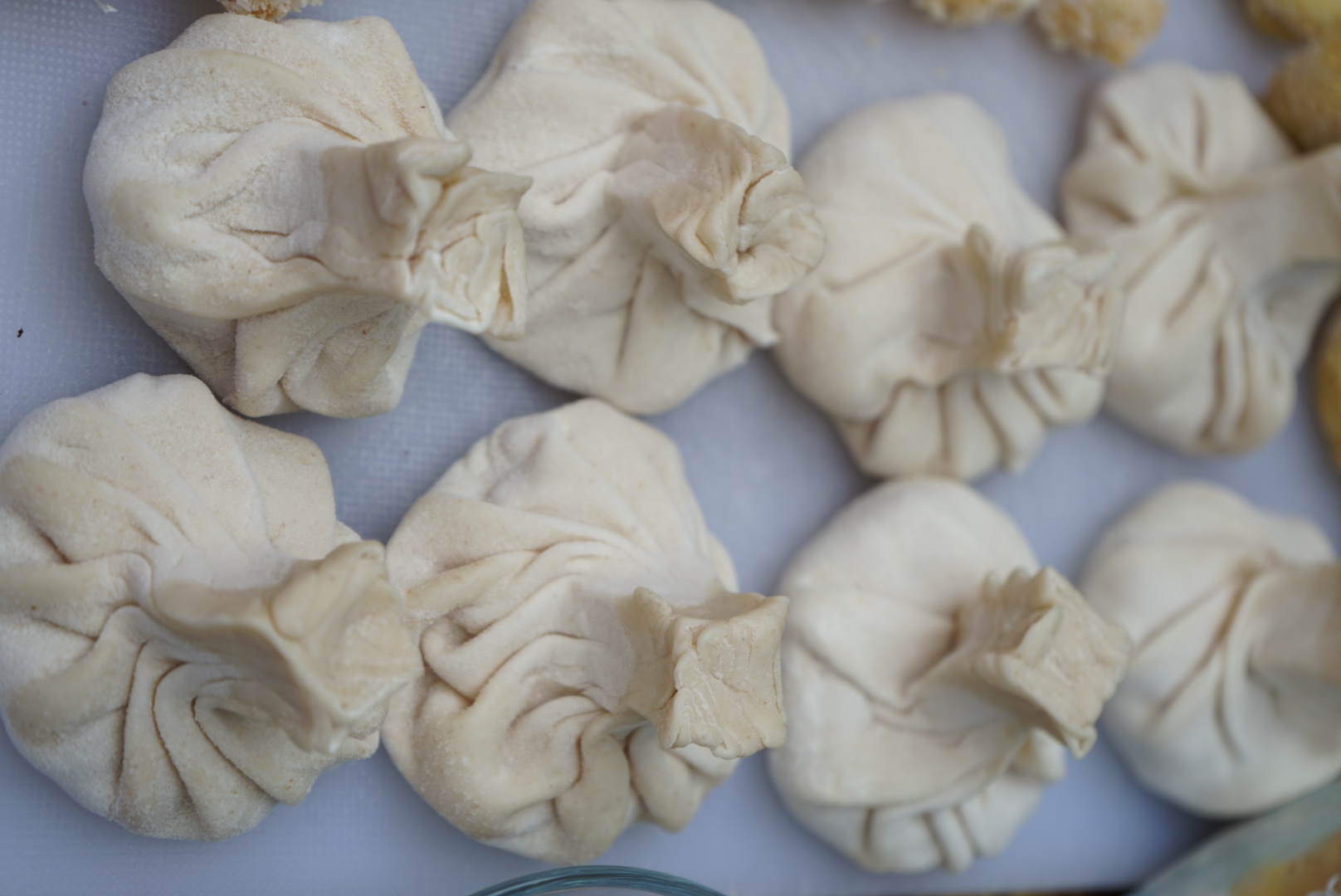
An artisan product and a supermarket product can differ in recipe, pack format and price. The word “artisan” alone does not prove that one is better. Compare specific products using three practical criteria.
1. The filling
Check the ingredients in each filling and any proportions declared on the label or specification. Do not assume that every industrial product contains soy or less meat, or that every handmade product follows the same recipe. In a trial, compare flavour, texture and the filling after cooking each product according to its instructions.
2. The dough
Thickness depends on the recipe and format, not just on hand or machine production. Check the balance of dough and filling, whether the seal holds during cooking and how the product performs in your service. A trial using each manufacturer’s preparation instructions is more useful than judging appearance alone.
3. The label
- Ingredients and allergens: use the information for the exact variety, not another product from the same brand.
- Storage and preparation: review the stated conditions, shelf life and instructions before planning an order.
- Pack size and yield: compare net weight, usable units or portions and cost per portion, alongside the price per bag.
Our advice: run a comparable kitchen trial and choose based on the result. For a restaurant or shop, consistency between orders, available product documentation and agreed supply terms also matter.
Lavash, khinkali and pelmeni for professionals: lavash · khinkali · pelmeni · Catalogue and supply enquiry